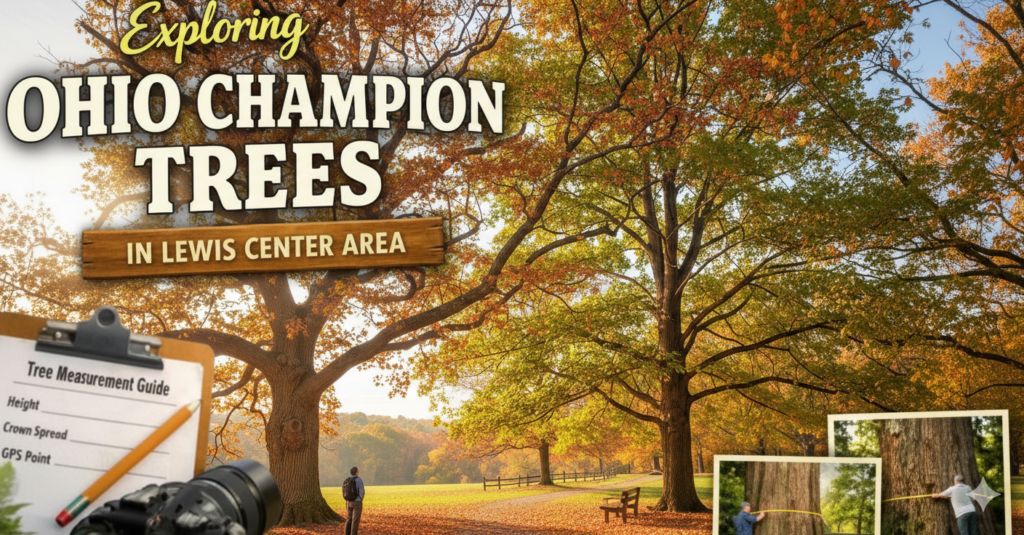
If you’ve ever wandered through Lewis Center, Ohio, you might have noticed a tree that just… stops you. Not literally, of course. But you notice it. Its trunk is huge. The branches spread out like it owns the place. And somehow, it feels like it has been here forever. That’s because some of these trees are officially recognized as champion trees. Yeah, it sounds fancy—but it just means they’re the biggest, oldest, or widest of their kind in Ohio.
Lewis Center may seem quiet at first glance, but when it comes to trees, it’s kind of a hidden gem. And these aren’t your everyday backyard maples or oaks. Some of them have been around for hundreds of years. Imagine that.
What Makes a Tree a Champion?
You can’t just call any old tree a champion. ODNR (Ohio Department of Natural Resources) has a system. They measure:
-
Trunk circumference at 4.5 feet above the ground
-
Height (how tall it actually is)
-
Average crown spread (how wide the branches go)
They combine those numbers into a “total points” score. The tree with the highest score of its species gets the title of champion. And in Lewis Center, some of these trees are enormous. I once stood next to a white oak that made me feel tiny. And honestly, that’s kind of the point—you realize nature has been around way longer than us.
Types of Champion Trees in Lewis Center
Lewis Center isn’t just lucky—it has a variety of trees thriving in Ohio’s climate. Some notable species include:
-
White Oak – Thick trunk, sprawling branches, hundreds of years old sometimes. Majestic.
-
Sugar Maple – Fall colors that are literally breathtaking. You’ll want to photograph every leaf.
-
American Beech – Smooth gray bark and twisting branches that feel alive.
-
Eastern Red Cedar – Aromatic, hardy, often overlooked, but still a champion contender.
-
Tulip Poplar – Fast-growing and really tall. Dramatic leaves, dramatic presence.
Each of these trees has a story. And walking under one, you almost feel the history whispering through the leaves.
Why Champion Trees Matter
It’s easy to pass by a big tree without noticing, but champion trees are more than just big green things. They play a role in:
-
Environment: They clean the air, store carbon, provide homes for birds and squirrels.
-
History: Some have been here since the 1800s. Think about all they’ve “seen.”
-
Aesthetics: Standing under a giant oak… nothing compares. Instant calm.
-
Learning: Schools and nature groups use them to teach ecology, biology, and conservation.
And honestly, sometimes you just want to sit under one and breathe. That’s enough reason, right?
Notable Champion Trees
Here’s a quick reference for some of the big names in Lewis Center:
| Tree Type | Location | Approx. Height | Circumference | Notes |
|---|---|---|---|---|
| White Oak | Highbanks Metro Park | 90 ft | 18 ft | Oldest in park |
| Sugar Maple | Lewis Center Residential Area | 70 ft | 12 ft | Stunning fall colors |
| American Beech | Alum Creek State Park | 75 ft | 15 ft | Twisting branches, smooth bark |
| Tulip Poplar | Olentangy Trail | 100 ft | 13 ft | Towering specimen |
| Eastern Red Cedar | Private Property | 50 ft | 10 ft | Hardy, aromatic |
And there are plenty more hidden gems. Some are tucked behind houses, some in little parks. You never know what you’ll stumble upon.
Visiting Tips
If you’re planning a little adventure, here’s what I’ve learned:
-
Go early or late for the best light—it makes the trees look magical.
-
Respect private property—some champions aren’t in public parks.
-
Wear comfortable shoes; some paths are muddy or uneven.
-
Bring a notebook or tape measure if you want to nerd out.
-
And sometimes, just sit. Watch the leaves move. Listen to the wind. It’s kind of meditative.
Community Efforts
People in Lewis Center really care about their trees. There are local initiatives like:
-
Tree planting events
-
Educational workshops for kids
-
Annual champion tree walks
It’s not just about saving a tree. It’s about protecting the whole ecosystem—soil, wildlife, and everything else that depends on it. Champion trees are a centerpiece, yes—but they also remind us to take care of the bigger picture.
Where to Learn More
If you want a deeper look at these incredible trees, you can check ohio champion trees lewis center ohio. They have a registry with details about each tree: height, circumference, location, and some historical facts. Honestly, it’s like a treasure map for tree enthusiasts.
Why You Should Care
Champion trees are living history. And there’s something really grounding about that.
-
Kids get curious when they see these giants.
-
Communities learn conservation.
-
You get a chance to pause and notice life outside your routine.
Lewis Center’s champion trees may not have a Hollywood spotlight, but they’re small-town celebrities in their own right. Visiting them feels like connecting to something bigger than yourself.
-
And yeah… it’s fun. Standing next to a tree taller than your house never gets old.
-
And sometimes, the quiet of a tree-filled park is better than any coffee shop for clearing your mind.
Final Thoughts
Exploring Ohio Champion Trees in Lewis Center, Ohio is more than a casual walk. It’s a peek into history, a lesson in ecology, and a moment of peace. These trees are reminders of resilience, patience, and nature’s quiet power.
So next time you’re around Delaware County, take a little detour. Find a white oak, marvel at a sugar maple, or just sit under a tulip poplar. Listen. Watch. And remember—these giants have been standing long before us, and hopefully, will continue long after.